Why Insurance Programming is the Next Big Thing

Insurance has always been about managing risk and protecting people from unexpected events, but the way companies handle these tasks is changing fast thanks to specialized programming. Over the past few years, developers have started building tools that make everything from claims processing to policy creation much smoother and more accurate.
Streamlining Daily Operations
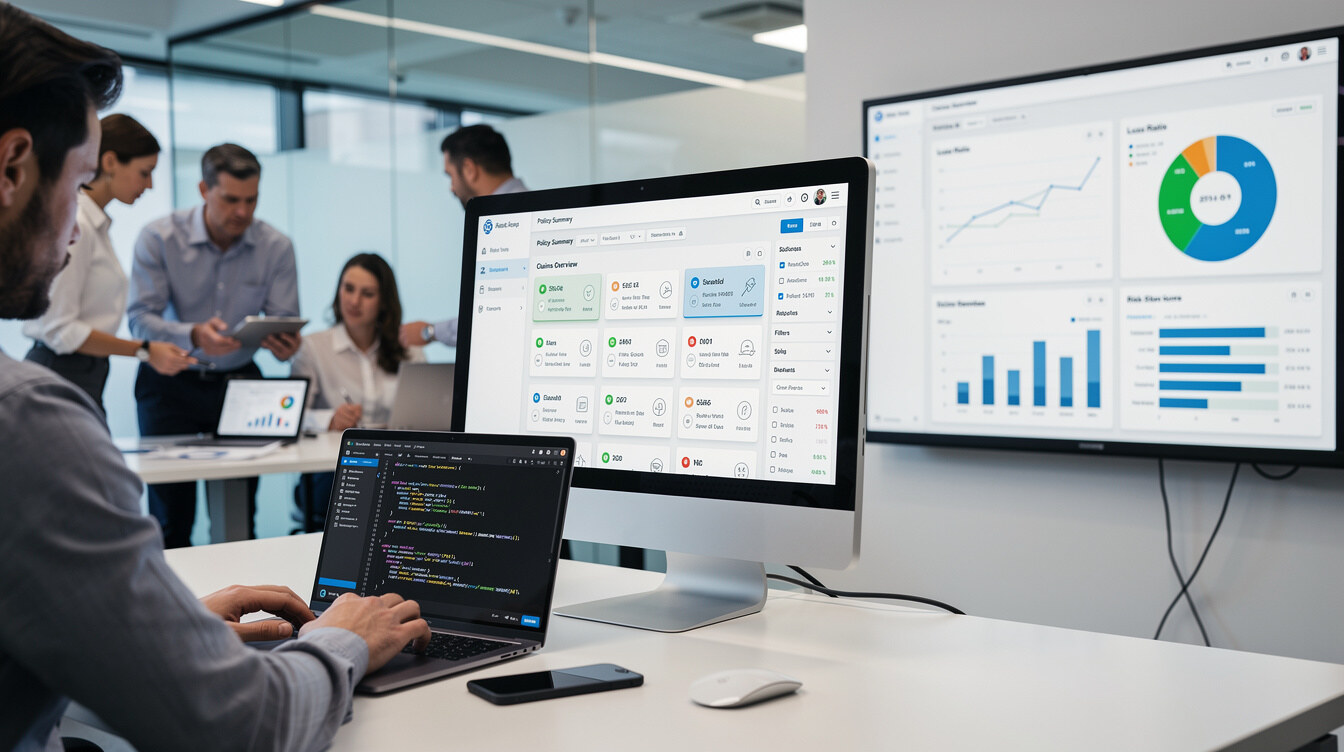
Think about how traditional insurance work used to involve stacks of paperwork and manual checks. Now, with custom code, teams can automate repetitive tasks like verifying customer details or calculating premiums. This not only saves time but also reduces errors that might slip through human review. For instance, algorithms can scan documents in seconds and flag any inconsistencies right away.
Enhancing Customer Experiences
Customers today expect quick responses and personalized options. Programming allows insurers to create apps where users can get instant quotes based on their specific situations. By integrating data from various sources, these systems offer tailored advice that feels more like a conversation than a sales pitch. It builds trust because people see that their needs are being understood on a deeper level.
Another benefit shows up in fraud detection. Machine learning models trained on historical claims data can spot patterns that suggest something might not add up. This protects both the company and honest policyholders from higher costs down the line.
The Role of Data in Modern Insurance
Data is at the heart of these advancements. Programmers design databases that pull information from sensors in cars or homes, turning raw numbers into actionable insights. A driver with safe habits might see lower rates automatically updated in their profile. This shift toward usage-based models makes insurance feel fairer and more dynamic.
Programming turns complex risk calculations into something accessible and efficient for everyone involved.

Smaller firms are also getting in on the action. Instead of relying on big vendors, they hire in-house coders to build solutions that fit their niche markets perfectly. This flexibility helps them compete without massive budgets.
Looking Ahead to Future Trends
- Integration with wearable tech for health policies
- AI chatbots handling initial claim reports
- Blockchain for secure record sharing
- Predictive analytics to prevent losses before they happen
These developments point to a future where insurance programming becomes essential rather than optional. Companies that invest now will likely lead the pack as regulations evolve and customer demands grow more sophisticated.

Overall, the blend of technical skills and industry knowledge creates opportunities that go beyond simple automation. It encourages creative problem solving that can address long-standing challenges in the field. As more professionals enter this space, the potential for groundbreaking tools continues to expand in exciting ways.